

Office Hours
Monday
8:00 am - 5:00 pm
Tuesday
7:00 am - 3:00 pm
Wednesday
8:00 am - 5:00 pm
Thursday
7:00 am - 3:00 pm
By Appointment Only
When a tooth is weakened by decay or minor damage, a filling restores its shape, strength, and everyday function. Fillings stop cavities from progressing, rebuild areas that have been lost, and help prevent further complications such as fractures or infection. In short, a well-placed filling returns a tooth to normal activity so you can chew, speak, and smile with confidence.
Because dental decay affects people of all ages, fillings remain one of the most commonly performed restorative treatments in general dentistry. The materials and techniques available today let clinicians preserve more of the natural tooth while delivering outcomes that look and feel like the original tooth. That combination of preservation and aesthetics is a major reason fillings remain central to conservative dental care.
Our team takes a careful, patient-centered approach to restorations. At the office of Brittney K. Craig, DMD, we focus on precise decay removal, snug-fitting restorations, and polishing and shaping that respect the tooth’s anatomy — all to ensure reliable function and a natural appearance. We’ll explain your options and recommend the solution best suited to the tooth involved and your personal preferences.
Human beings have tried to repair damaged teeth for millennia, but contemporary dentistry emphasizes conservation. Rather than removing large amounts of tooth structure, modern techniques aim to remove only the compromised tissue and strengthen what remains. This conservative mindset helps teeth last longer and reduces the need for more extensive restorations later.

Choosing the right filling material is more than a cosmetic decision — it affects durability, how the tooth handles pressure, and long-term oral health. Different materials respond differently to wear, temperature changes, and the forces of biting. We consider the tooth’s location, the size of the cavity, your bite, and your aesthetic priorities when recommending a material.
Some materials are applied directly in a single visit, while others are fabricated outside the mouth and bonded or cemented into place. Advances in adhesive dentistry and tooth-colored restoratives give patients more options than ever before, allowing us to balance longevity with a natural-looking result.
Below are commonly used restorative options and the situations where each tends to perform best. Understanding these choices can help you make an informed decision with your dentist.
Composite fillings are made of resin mixed with tiny glass or ceramic particles and are matched to the shade of your natural teeth. They bond directly to enamel and dentin, which can strengthen the remaining tooth structure and reduce the amount of healthy tooth that must be removed. Composites are versatile: used for small to moderate cavities, cosmetic bonding, and repairs where appearance is important.
Because composites rely on a bonding technique, placement is technique-sensitive. When placed correctly and cared for, composite restorations provide excellent aesthetics and good durability for many years, though they may require maintenance in high-wear situations.
Amalgam fillings have a long clinical history and are known for strength and wear resistance. They remain a useful option for posterior teeth subjected to high biting stress. While not tooth-colored, their durability and ease of placement have made them a dependable choice in appropriate cases.
Glass ionomer materials bond chemically to the tooth and release fluoride over time, which can be helpful in areas at higher risk for recurrent decay. Because they are less wear-resistant than composites or ceramics, glass ionomers are commonly used for baby teeth, small restorations near the gumline, or as a temporary or transitional material.
Ceramic restorations are made in a dental laboratory or milled in-office and then cemented to the tooth. They offer excellent aesthetics and strong wear resistance, making them an attractive option when a larger portion of the biting surface needs repair but a full crown isn’t necessary. Because they’re fabricated outside the mouth, they require precise impressions or digital scans and a second appointment for placement.
Gold and other metal restorations are durable and biocompatible, with a long track record for longevity. They are typically recommended when strength and marginal stability are primary concerns and when esthetics are less of a priority. Their cost and appearance mean they are chosen less often today, but they remain a valid restorative solution in selected cases.

The treatment for a cavity or minor tooth damage is straightforward but tailored to your comfort and the tooth’s needs. We begin with a careful evaluation that may include visual inspection, digital X-rays, and a discussion about symptoms you might be feeling. Together we decide whether a filling is the right course of action and which material best suits the situation.
On the day of treatment, local anesthesia is typically used to keep you comfortable. Once the area is numb, the decayed tissue is removed and the remaining tooth is shaped to receive the restoration. For direct fillings, the material is placed and cured in layers, then contoured and polished. For indirect restorations, an impression or scan is taken and a temporary restoration may be placed while the final piece is made.
Throughout the procedure our team pays close attention to your comfort and to the fit of the restoration. We check how your teeth come together and make any necessary adjustments so the finished restoration feels natural. If you experience dental anxiety, we can discuss available relaxation or sedation options to make your visit calmer and more comfortable.
Once a filling is in place, the steps you take at home and the checkups you attend largely determine how long it will last. Good daily oral hygiene — brushing twice with fluoride toothpaste, cleaning between teeth daily, and limiting very sticky or overly hard foods — reduces the chance of new decay forming at the edges of a restoration. Regular dental exams allow early detection of wear or marginal breakdown so minor repairs can be made before larger problems develop.
You may notice short-term sensitivity to temperature or pressure after a new filling. This is common and usually resolves in a few days to weeks as the tooth adjusts. If sensitivity persists or you feel a sharp or worsening pain, contact our office so we can evaluate the restoration and the tooth beneath it.
Fillings are durable, but no restoration lasts forever. Over time they may wear, chip, or develop gaps where bacteria can enter. Routine care, protective habits (including night guards for people who grind their teeth), and periodic professional maintenance all contribute to the long-term success of restorations.
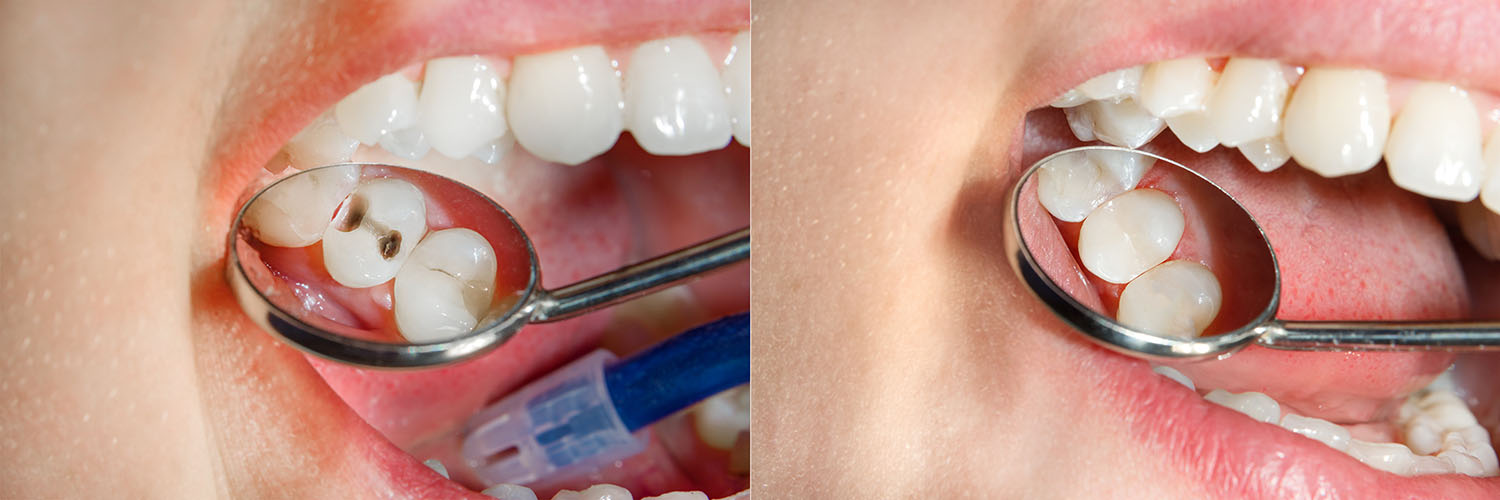
Dental fillings are a reliable way to stop decay, preserve tooth structure, and restore everyday function while maintaining a natural appearance. Advances in materials and bonding techniques give clinicians flexibility to match treatment to each patient’s needs and expectations. Whether a small composite repair or a precision-fitted ceramic inlay is recommended, the goal is the same: a comfortable, long-lasting result that protects the tooth.
If you have questions about the best material for a particular tooth, are experiencing sensitivity, or want to know more about restorative options, our team is ready to help. For more information about dental fillings at Brittney K. Craig, DMD, please contact us to discuss your situation and learn which approach is right for your smile.
Dental fillings are restorative materials used to repair teeth damaged by decay or minor injury. They stop cavities from progressing and restore the tooth's shape and chewing function. A properly placed filling can prevent further complications such as fractures or infection.
Fillings allow patients to chew, speak, and smile with confidence while preserving as much natural tooth structure as possible. Modern techniques emphasize removing only compromised tissue and reinforcing the remaining tooth. This conservative approach helps teeth last longer and may reduce the need for more extensive treatment later.
Several materials are commonly used for fillings, each with different properties and ideal uses. Tooth-colored composite resins bond to enamel and dentin and are favored when appearance matters. Amalgam offers high strength for back teeth while glass ionomer releases fluoride and suits low-stress or pediatric areas.
Ceramic or porcelain inlays and onlays are lab-fabricated restorations that provide excellent aesthetics and wear resistance for larger repairs. Precious metal restorations such as gold remain durable and biocompatible for selected situations. Your dentist can explain how each material responds to biting forces, temperature changes, and long-term wear so you can make an informed decision.
Your dentist evaluates the size and location of the decay, the amount of remaining tooth structure, and how your teeth come together when choosing a material. Posterior teeth that endure heavy chewing often benefit from stronger materials, while visible front teeth require more aesthetic options. Other considerations include the condition of adjacent teeth, gum health, and any history of sensitivity or allergic reactions.
Digital X-rays, visual examination, and sometimes intraoral scans help the clinician assess the extent of damage and plan a conservative restoration. The practitioner will discuss the advantages and limitations of suitable materials and recommend the option that balances durability with appearance and tooth preservation. Personal preferences and long-term oral health goals are included in the decision-making process.
Treatment typically begins with an exam and diagnostic X-rays as needed to confirm the extent of decay. Local anesthesia is used to ensure comfort during the procedure, and decay is removed with precision instruments. For direct fillings the chosen material is placed, bonded or cured in layers, then contoured and polished in a single visit.
Indirect restorations such as ceramic inlays or onlays require an impression or digital scan and fabrication in a lab or in-office milling unit. A temporary restoration may be placed until the final piece is cemented at a second appointment. The total time for a direct filling is often under an hour, while indirect restorations require additional visits for completion.
Most patients experience little to no pain during a filling because local anesthesia numbs the area effectively. If dental anxiety is a concern, the team can discuss relaxation techniques or sedation options to improve comfort. The dentist will check the bite and make adjustments so the restoration feels natural and does not cause pressure.
After treatment, short-term sensitivity to hot, cold, or pressure is common and usually resolves within days to a few weeks. Persistent pain, a sharp sensation, or worsening sensitivity should prompt a follow-up appointment to evaluate the restoration and the underlying tooth. Addressing these issues early helps prevent complications and maintains the longevity of the restoration.
Good oral hygiene is the foundation for long-lasting fillings: brush twice daily with fluoride toothpaste and clean between teeth once a day. Limiting very sticky or extremely hard foods and avoiding using teeth as tools reduces the risk of chipping or dislodging a restoration. If you grind your teeth, a night guard can protect restorations from excessive wear.
Regular dental exams and professional cleanings allow the dentist to monitor restorations for wear or marginal breakdown and make early repairs as needed. If you notice rough edges, a change in bite, or recurrent sensitivity, contact the office promptly so the team can assess the filling. Routine preventive care supports both the restoration and the overall health of surrounding teeth and gums.
The lifespan of a filling depends on the material used, the size and location of the restoration, oral hygiene, and habits such as grinding. Composites may need maintenance sooner in high-wear areas, while ceramic and metal restorations often last longer. Over time fillings can wear, chip, or develop marginal gaps where bacteria can enter and cause recurrent decay.
Regular checkups help identify early signs of failure so minor repairs can prevent more extensive treatment later. Replacing a failing restoration before the tooth is further compromised improves long-term outcomes and preserves tooth structure. Your dentist will recommend a monitoring schedule based on the type of restoration and your individual risk factors.
Many fillings can be repaired if the damage is limited to a small chip or marginal defect, allowing the clinician to preserve as much natural tooth as possible. When a filling is worn, cracked, or recurrent decay is present beneath it, replacement may be the safest option to fully restore tooth health. The choice between repair and replacement depends on the extent of damage and the strength of the remaining tooth.
For larger areas of loss, an inlay, onlay, or crown may offer a more durable solution than another direct filling. The dentist will explain the expected benefits of each approach and how they relate to longevity, function, and aesthetics. Prompt evaluation and treatment reduce the likelihood of needing root canal therapy or extraction later on.
Composite fillings have improved considerably and provide excellent aesthetics while bonding to tooth structure, which can enhance strength in many cases. Amalgam and precious metal restorations tend to offer superior long-term wear resistance in high-stress posterior locations. Strength comparisons depend on the specific clinical situation, including cavity size, location, and the patient's bite.
Clinicians balance these factors when recommending a material, aiming to match the restoration to functional demands and cosmetic needs. In many posterior cases composites perform well for moderate cavities, while larger or heavily loaded restorations may be better served by onlays, crowns, or metal options. Discussing your priorities with the dentist helps determine the most appropriate compromise between appearance and durability.
Inlays and onlays are partial-coverage indirect restorations used when a larger portion of the biting surface needs repair but a full crown is not necessary. Crowns cover the entire visible portion of the tooth and are chosen when structural loss is extensive or when additional protection is required. Dentists consider remaining tooth structure, occlusal forces, and the risk of fracture when recommending an indirect restoration over a direct filling.
At the office of Brittney K. Craig, DMD in Tallahassee the team will explain whether a direct filling, inlay, onlay, or crown best preserves function and appearance for your specific tooth. Digital imaging, impressions, and careful planning are used to achieve a precise fit and natural-looking result. Choosing the right restoration helps protect the tooth long term and supports overall oral health.
By Appointment Only