Invisalign® for Teens
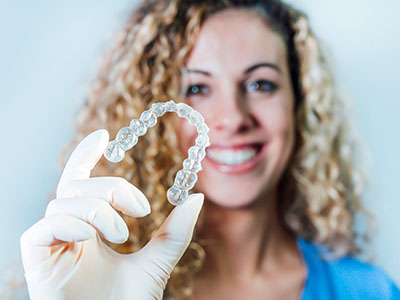
Invisalign® offers a modern alternative to traditional braces: a series of clear, removable aligners that guide teeth into healthier, more balanced positions. Designed with advanced digital tools and custom-fitted to each patient, this approach blends clinical precision with a low-profile appearance so patients can pursue smile changes without drawing attention to their orthodontic care.
Invisalign® works by applying gentle, controlled forces to teeth through a planned sequence of clear, thermoplastic trays. Each aligner is shaped slightly differently, and when worn according to the prescribed schedule, it nudges specific teeth toward the position laid out in the treatment plan. Over time, this staged progression results in measurable changes in alignment and bite.
The process begins with a digital record of the mouth — usually a precise intraoral scan — which forms the basis for the treatment model. Using that data, the dental team maps incremental tooth movements from the current alignment to the desired outcome, then fabricates a series of aligners that reproduce that plan in the mouth. This stepwise approach allows clinicians to anticipate how teeth will respond at each phase.
Because aligners are removable, patients retain the ability to maintain normal oral hygiene routines and to eat without hardware-related restrictions. That convenience is balanced by a requirement for consistent wear: predictable results depend on following the schedule your clinician prescribes and attending periodic check-ins so progress can be monitored and adjustments made if necessary.

Invisalign® for Teens

Invisalign® for Brides

Invisalign® for Travelers
Before & After Photos
Invisalign® Videos
FAQs
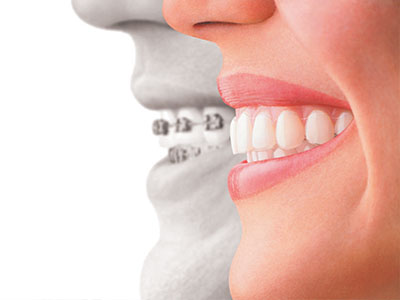
Invisalign® vs Braces
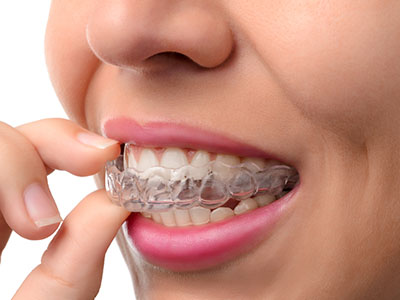
Invisalign® vs Direct-To-Consumer Aligners
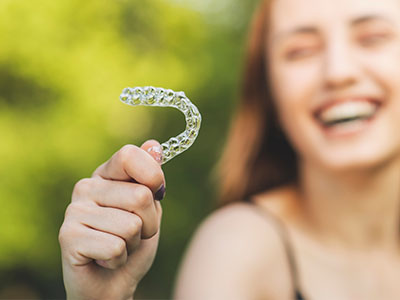
Is Invisalign Right For Me?

Invisalign Costs
Whether you’re comparing treatment options or preparing for a consultation, reliable resources and clear documentation make it easier to understand the steps involved. Digital tools — scans, visual treatment previews, and progress tracking — help clinicians and patients see the anticipated outcome before treatment begins and monitor progress as teeth move.
When evaluating materials, look for information that explains the clinical workflow, how follow-up visits are scheduled, and what day-to-day responsibilities the patient can expect. Clear, factual resources help you form realistic expectations and decide whether the aligner process aligns with your goals and lifestyle.
Modern aligner therapy depends on a partnership between the patient, the dentist, and the laboratory technology that fabricates the trays. The digital scan and planning software give the dentist a three-dimensional roadmap of treatment, allowing for precise control of tooth movements, staging, and anticipated timelines. Your clinician interprets that roadmap and customizes it based on clinical findings and personal objectives.
Ongoing clinical oversight is important. Even with detailed planning, teeth do not always move exactly as predicted. Regular checkups allow the doctor to verify that movement is proceeding as intended and to make modifications if needed. This hands-on approach is part of what ensures a safe, predictable course of care from start to finish.
Additionally, modern planning often provides patients with a visual preview of the expected changes. Seeing an animation or simulation of the planned progression can demystify the process and clarify the outcomes the team is aiming for. Those preview tools are planning aids — the final results are shaped through clinical judgment and patient cooperation.
Many clinicians favor the predictable sequencing and documentation digital planning provides. It supports more precise tooth movements, clearer communication with patients, and a framework for managing complex tooth-positioning tasks over time.
Adjusting to aligners is straightforward for most patients. Because the trays are removable, ordinary meals remain unaffected — simple removal for eating and routine oral care helps preserve hygiene throughout treatment. Brushing and flossing are performed as usual, and periodic rinsing of the trays keeps them clean between uses.
Speech changes are generally temporary. During the first few days of a new set of aligners some people notice a subtle lisp; this usually resolves as the mouth adapts. If speech or comfort concerns persist, a follow-up with the dental team can identify minor adjustments or strategies to improve fit.
Compliance is the key to predictable results. Wearing aligners for the recommended number of hours each day and following the sequence your clinician prescribes ensures the planned forces are applied consistently. If an aligner becomes damaged or lost, notify your dental team promptly to determine the appropriate next step.
Aligner therapy works well for many common alignment challenges, including mild-to-moderate crowding, spacing, and certain bite concerns. A consultation helps determine if a clear aligner plan will meet a patient’s objectives or if another approach is more appropriate. Complex skeletal issues or specific tooth movements sometimes require adjunctive techniques or alternative treatments.
During an initial visit the clinician will perform an exam, review digital images or scans, and discuss treatment goals. Together, you’ll review what results are realistic and how the clinical team will monitor progress. This conversation is an opportunity to ask about timeline expectations, appointment frequency, and any clinical considerations that relate to your oral health history.
After active aligner therapy, retention is an important part of preserving results. Your dentist will outline a retention plan tailored to your needs so that the improvements gained through treatment are maintained over the long term.
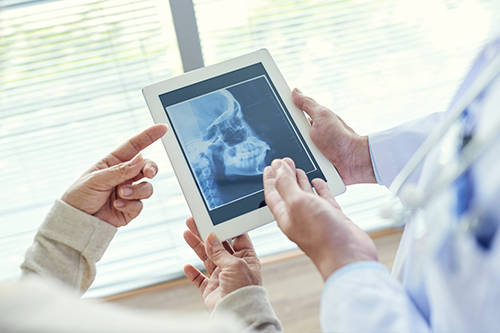
The first step is a thorough clinical assessment and a fast, accurate digital scan. High-quality records let the dental team identify alignment goals and design a customized plan tailored to your mouth.
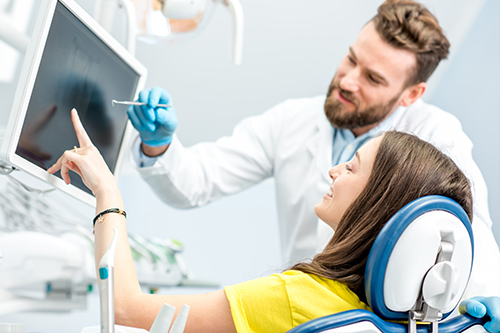
After records are taken, the treatment plan is mapped digitally so you can see a step-by-step preview of anticipated changes. This helps set expectations and clarify the clinician’s approach.
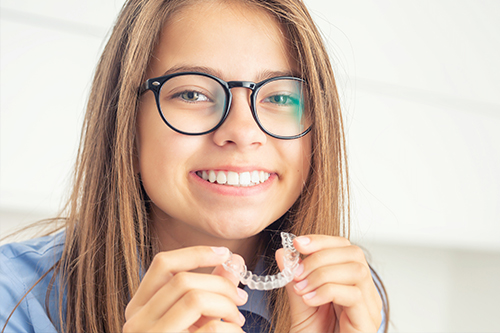
Aligners are fabricated to the specifications outlined in the plan, with attention to comfort and predictable movement. Each set is intended to achieve the next phase of correction.

From the first fitting to the final retainer, your dental team provides clinical oversight, checks progress, and makes adjustments as needed so your treatment stays on track.
View short, informative clips that illustrate the aligner process and what patients can expect during treatment
*Invisalign® is a registered trademark of Align Technology, Inc.
At Brittney K. Craig, DMD, we focus on clear, evidence-based explanations so patients can make informed decisions about orthodontic options. If you’d like to learn more about how aligner therapy could fit into your care plan, please contact us for more information and to arrange a consultation.
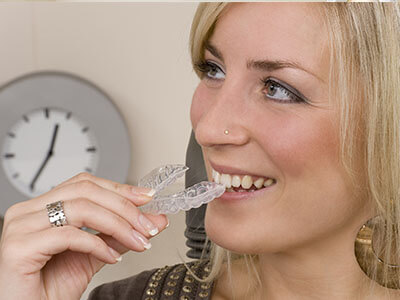
Invisalign® is a clear aligner system that straightens teeth using a series of custom-made, removable trays. Each tray is shaped to move teeth a small amount toward the planned final position, and patients progress through the series to achieve the desired alignment. The trays are made from a smooth, thermoplastic material that applies gentle, controlled forces to guide tooth movement.
The process begins with a digital scan or impression that produces a three-dimensional treatment model and a staged movement plan. Laboratory technology and manufacturing reproduce that plan as a sequence of aligners that match the prescribed tooth movements. When worn according to the prescribed schedule, the staged approach results in gradual changes in alignment and bite over time.
Many adults and teenagers with mild-to-moderate crowding, spacing, or certain bite concerns are good candidates for Invisalign® therapy. Patients with significant skeletal discrepancies or complex tooth-positioning needs may require alternative or complementary treatments, which the clinician will review during evaluation. A stable oral environment free of active periodontal disease and untreated decay is important before starting aligner therapy.
Beyond clinical suitability, candidacy depends on a patient’s willingness to follow the prescribed wear schedule and care instructions, since compliance strongly affects outcomes. The dental team assesses each case individually to determine whether aligners are likely to meet the patient’s goals. If necessary, the clinician will propose adjunctive procedures or other orthodontic options that better address specific needs.
Treatment length varies according to the complexity of the case and the specific movements required; many patients complete active aligner therapy in several months to over a year. The digital treatment plan provides an estimated timeline that reflects the number of aligner stages and the anticipated pace of movement. Adherence to daily wear recommendations and timely check-ins help keep progress on schedule and can influence the overall duration.
Factors that may extend treatment include large tooth movements, the need for refinements, or interruptions in wear. The dental team monitors progress at scheduled visits and can adjust the plan if teeth do not move as predicted. Clear communication and consistent follow-up help manage expectations and refine timing throughout care.
During the initial consultation the clinician performs a comprehensive exam, reviews your dental and medical history, and captures digital records such as intraoral scans and radiographs. The team discusses your smile goals and explains how aligner therapy could address your concerns, including any limitations or additional treatments that might be recommended. This visit is also an opportunity to ask questions about day-to-day responsibilities and the general course of care.
At Brittney K. Craig, DMD, we use digital treatment previews so patients can see an anticipated progression before committing to therapy, and we outline follow-up intervals and retention expectations. The clinician will also identify any preparatory work that should be completed prior to starting aligners, such as restorative or periodontal care. You will leave the consultation with a clearer understanding of the plan and the next steps if you choose to proceed.
Remove your aligners before eating or drinking anything other than water, then brush and floss before reinserting them to maintain good oral hygiene. Rinse aligners under cool or lukewarm water and clean them daily with a soft toothbrush and a clear, mild soap or an aligner-specific cleaner to prevent buildup and staining. Avoid hot water, abrasive toothpaste, or harsh chemicals that can warp or damage the trays.
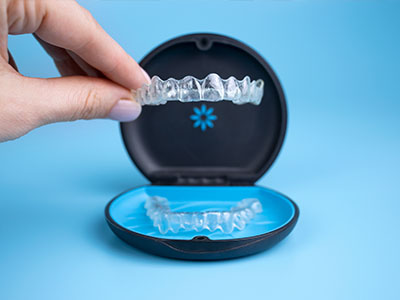
When not in use, store aligners in their protective case to reduce the risk of loss or breakage and to keep them clean. If you notice persistent discoloration, cracks, or fit problems, contact the dental team promptly so they can recommend the appropriate next steps. Regular professional exams also help ensure hygiene and fit remain optimal throughout treatment.
Some patients experience a mild, temporary change in speech—often a slight lisp—during the first few days after beginning a new set of aligners as the mouth adapts to the trays. This adaptation period is usually short and most people return to normal speech quickly with continued wear. Overall, aligners are low-profile and tend to be more comfortable than traditional fixed appliances for many patients.
It is normal to feel minor pressure or soreness when starting a new aligner as teeth begin to move, and this typically subsides within a few days. Over-the-counter pain relievers and softer foods during that initial phase can help manage discomfort. If irritation, persistent soreness, or speech concerns continue beyond the expected adjustment period, a follow-up with the dental team can identify and resolve fit or design issues.
Progress is monitored through scheduled clinical check-ins, periodic scans or photographs, and patient reports about fit and comfort, which together show how teeth are responding to the planned movements. The digital treatment plan serves as a roadmap, but clinicians verify that actual tooth movement follows the expected pattern and make decisions if refinements are necessary. Regular oversight allows the dental team to intervene early if movement stalls or diverges from the plan.
In some cases, small refinements, additional trays, or auxiliary techniques may be needed to achieve the desired result, and the team will explain the rationale for any changes. At the office of Brittney K. Craig, DMD, we emphasize clear communication so patients understand why adjustments are recommended and what to expect next. Consistent wear and timely appointments help minimize the need for extensive revisions.
Because aligners are removable, most eating restrictions associated with fixed braces do not apply—simply remove the trays before meals and snacks to avoid damage and staining. It is important to brush and floss after eating before putting aligners back in to reduce the risk of decay and gum irritation from trapped food particles. Avoid drinking anything other than water while wearing aligners, as colored or sugary beverages can stain the trays and promote bacterial growth.
Maintain your regular dental hygiene routine and attend professional cleanings during treatment to support oral health and ensure the best possible outcomes. If you smoke or use products that could discolor the trays, discuss habits with the dental team, as these factors can affect aesthetics and hygiene. Proper daily care preserves both oral health and the effectiveness of aligner therapy.
After active tooth movement, retention is essential to preserve the improvements achieved during aligner therapy; this typically involves wearing retainers according to the clinician’s instructions. Retainers may be removable or fixed depending on clinical needs, and the dental team will recommend a retention schedule tailored to your case. Following the prescribed retention plan helps minimize relapse and supports long-term stability.
Your dentist will schedule follow-up visits to assess how well the teeth are maintaining their positions and to adjust the retention strategy if necessary. Over time many patients transition to less frequent retainer wear while monitoring stability, but occasional checks are helpful to catch any early shifts. Discussing realistic expectations and ongoing care at the end of active treatment ensures a durable, stable result.
Personalization begins with a comprehensive clinical exam, digital records, and a discussion of your aesthetic and functional goals, which together inform a customized movement plan. The clinician uses three-dimensional software to plan the sequence of movements, determine the need for attachments or interproximal reduction, and set staging that balances efficiency with biological considerations. Clinical judgment is applied to adapt the digital plan to each patient’s anatomy and oral health status.
Throughout treatment the team monitors response and makes refinements as needed, ensuring the plan reflects actual tooth movement and patient preferences. Clear instructions, scheduled reviews, and supportive communication help align clinical decision-making with the patient’s lifestyle and expectations. This collaborative approach improves predictability and patient satisfaction with the final outcome.