
Office Hours
Monday
8:00 am - 5:00 pm
Tuesday
7:00 am - 3:00 pm
Wednesday
8:00 am - 5:00 pm
Thursday
7:00 am - 3:00 pm
By Appointment Only
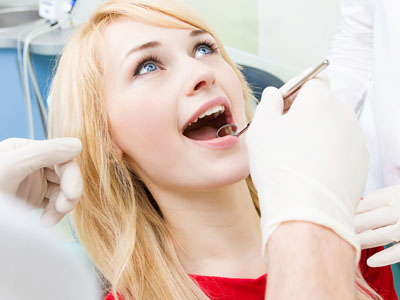
At the office of Brittney K. Craig, DMD, we take a prevention-first approach to oral health. Routine oral exams give us the best chance to identify developing problems early, protect your smile, and keep treatment straightforward. During each visit we combine careful clinical observation with the latest diagnostic tools, patient education, and a focus on comfort so every member of your family leaves feeling informed and cared for.
The first comprehensive exam establishes a baseline for your oral health and helps us tailor care to your needs. We start with a clear review of medical and dental history, medications, and any symptoms you may be experiencing. Understanding your overall health and lifestyle gives context to what we see in the mouth and guides our recommendations.
Next comes a focused clinical inspection of the teeth, gums, tongue, cheeks, and the surrounding head and neck regions. We look for early signs of decay, gum inflammation, wear patterns from clenching or grinding, and any unusual lesions. A screening of the temporomandibular joint (TMJ) and your bite helps identify functional problems that can cause pain, headaches, or accelerated tooth wear.
Diagnostic images may be taken when needed to reveal structures beneath the surface. X-rays allow us to see between teeth, under restorations, and into the supporting bone where visual inspection alone cannot reach. After completing the exam, we discuss findings in plain language and outline sensible next steps so you understand your situation and options.
We strive to make first visits relaxed and productive. Our team listens to your concerns and answers questions so you feel confident about any recommended care. If treatment is needed, we’ll explain the purpose and expected outcomes so you can make informed decisions for your health.

The mouth often mirrors what's happening elsewhere in the body. During an oral exam we not only look for localized dental problems but also for signs that may indicate broader health issues. Persistent gum inflammation, unexplained mouth sores, or chronic dry mouth can all be clues that warrant further medical evaluation or coordination with your primary care provider.
Research increasingly links oral conditions to systemic health. While oral disease does not cause every systemic condition, there are meaningful associations that make routine dental screening important—especially for patients with chronic illnesses. Recognizing oral manifestations of systemic disease helps us refer patients for timely medical follow-up when appropriate.
Common health areas where oral findings can be relevant include metabolic and cardiovascular systems, respiratory health, and immune function. Early identification of oral symptoms supports a more integrated approach to overall health and can improve long-term outcomes when dental and medical care work together.
Because many systemic conditions first show signs in the mouth, a thorough exam is a valuable part of your general health routine. If we notice anything unusual, we’ll explain the concern clearly and recommend the next steps, which may include monitoring, additional tests, or communication with your medical team.
Regular checkups are the foundation of preventive dentistry. Professional visits let us remove hardened plaque (tartar) that brushing alone cannot reach, reducing the bacterial load that causes cavities and gum disease. Cleanings freshen the mouth, help prevent disease progression, and make home care more effective.
During a routine visit you’ll receive a tailored cleaning and a targeted exam that focuses on areas at higher risk for disease. Our hygienists provide practical instruction on brushing and flossing techniques, demonstrate helpful tools, and offer individualized tips so you can maintain gains between appointments. Education is a key part of every visit—we aim to empower patients with clear, achievable guidance.
We encourage families to establish consistent appointments so we can monitor growth, development, and changing needs over time. For children, routine visits are also an opportunity to introduce good habits, watch jaw and tooth alignment, and determine if early orthodontic assessment may be beneficial later on.
Preventive care keeps problems small and treatment simpler. When issues are caught early, repairs are less invasive and recovery is quicker. Our goal is to help every patient keep a healthy, comfortable smile for life by combining effective clinical care with realistic home routines.
X-rays are an essential complement to the visual exam because they reveal what’s happening beneath the tooth surface and within the jaw. Radiographs help us detect decay between teeth, assess the health of roots and bone, locate impacted or developing teeth, and evaluate the fit and integrity of existing restorations. They also play a central role in planning restorative or surgical care when needed.
Modern digital radiography captures clear images quickly and at much lower radiation levels than older film techniques. Digital images can be viewed immediately, enlarged for closer inspection, and saved to your digital record for longitudinal comparison. These advantages make diagnosis faster and communication with patients and specialists more efficient.
Benefits of digital radiographs include reduced exposure, instant availability, and the ability to share images securely for collaborative care. Digital imaging eliminates chemical processing and generates less waste, making it a safer and more environmentally friendly option.
Quicker image acquisition with minimal radiation exposure
Immediate review on-screen so we can explain findings in real time
Easy storage and secure sharing for coordinated treatment planning
No chemical developers required, reducing environmental impact
Images become part of your digital chart for ongoing comparison

Not all diagnostic images are the same. The type of radiograph we recommend depends on the specific clinical question—whether we are checking for small areas of decay, evaluating root health, or assessing the overall condition of the jaws. Choosing the right image helps us diagnose accurately while minimizing exposure.
Common types of dental radiographs include:
Periapical x-ray - A focused view that shows a full tooth from crown to root and the adjacent bone. It’s useful for examining root structure and identifying localized problems.
Bitewing x-ray - These small images capture the crowns of back teeth and are particularly effective at detecting interproximal (between-teeth) decay.
Full mouth series - A comprehensive set of periapical and bitewing views that provide a detailed look at all teeth and supporting structures.
Panoramic film (panorex) - A 2D panoramic capture of the full dental arches and jaws. This is helpful for evaluating eruption, development, impacted teeth, and overall jaw health.
Cephalometric film - A profile view often used in orthodontic assessments to study jaw relationships and facial growth patterns.
When three-dimensional detail is required, cone‑beam computed tomography (CBCT) can provide highly detailed 3D images of teeth, jaws, and adjacent anatomy. CBCT is an important tool for complex diagnostics, surgical planning, and precise implant placement when clinically indicated.
Regular oral exams are a simple, effective way to protect your smile and support overall health. With careful clinical assessment, modern imaging, and clear communication about findings, our team helps patients stay ahead of problems and make choices that preserve long-term well‑being. If you have questions about oral exams or would like more information about what to expect at your next visit, please contact us for more information.
At the office of Brittney K. Craig, DMD, an initial oral exam begins with a clear review of your medical and dental history and any current symptoms so we understand factors that affect oral health. The clinician performs a focused clinical inspection of the teeth, gums, tongue, cheeks, and surrounding head and neck areas to look for early signs of decay, gum inflammation, wear, or unusual lesions. If indicated, diagnostic images are taken to reveal areas beneath the surface that visual inspection cannot show.
After the exam we explain findings in plain language so you understand what we observed and why it matters. We outline sensible next steps, which may include monitoring, a hygiene plan, or specific restorative or preventive care when necessary. Our team answers questions and uses shared decision-making to help you choose the best path forward for your oral health.
Routine oral exam frequency depends on individual risk factors such as history of decay, gum disease, systemic health conditions, and habits like tobacco use or grinding. For many patients, checkups every six months provide an effective balance of preventive care and early detection, while others may need more frequent visits based on their risk profile. Your dentist and hygienist will assess risk at each visit and recommend an interval that supports long-term health.
Consistency is important because regular exams let us compare findings over time and catch changes early when treatment is simpler. We tailor reminder schedules and preventive plans to each patient so visits remain practical and effective. Establishing a predictable exam cadence helps maintain a healthy, comfortable smile through childhood, adulthood, and beyond.
The mouth often reflects broader health issues, and many systemic conditions first show signs in oral tissues; persistent gum inflammation, unexplained sores, or chronic dry mouth can all signal underlying concerns. Identifying these signs during an oral exam allows dental and medical providers to coordinate care and pursue timely evaluation when appropriate. Dental screenings contribute to a more integrated approach to health by highlighting potential links with cardiovascular, metabolic, respiratory, and immune conditions.
Early detection of oral disease reduces the likelihood of complications that can affect general well-being, such as infections that compromise nutrition or chronic inflammation that complicates other conditions. By maintaining regular exams, patients support both oral and overall health through preventive measures and early intervention. When findings suggest a medical component, we communicate clearly and facilitate referrals to your medical team for further assessment.
X-rays are a complementary diagnostic tool used when clinical findings or your history indicate the need to view structures beneath the tooth surface and within the jaws. Common radiographs help detect decay between teeth, evaluate root and bone health, locate developing or impacted teeth, and assess the condition of existing restorations. The type and frequency of images are chosen to answer specific clinical questions while minimizing exposure.
Modern digital radiography produces high-quality images quickly at much lower radiation levels than older film techniques and allows immediate review and secure storage in your digital chart. We discuss the reasons for any recommended images, explain what the pictures show, and use them as part of a broader diagnostic process. If three-dimensional detail is required for complex planning, cone-beam CT may be considered and explained thoroughly before use.
Oral cancer screening is a routine part of comprehensive exams and includes a systematic visual and tactile inspection of the lips, tongue, floor of mouth, cheeks, gums, and throat when accessible. The clinician looks for persistent lumps, white or red patches, sores that do not heal, or other changes in tissue texture and appearance. If anything unusual is found, we document the finding, monitor it over time, or recommend further testing or referral to a specialist for evaluation.
Because risk increases with factors such as tobacco use, alcohol use, and certain viral infections, we incorporate risk assessment into the exam and discuss signs patients should watch for at home. Early detection greatly improves outcomes, so clear communication and timely follow-up are essential components of our screening process. We make sure patients understand any concern and the practical next steps for diagnosis or monitoring.
Evaluation of the temporomandibular joint (TMJ) and bite begins with observing jaw movement, listening for joint noises, and palpating muscles for tenderness or spasm to identify signs of dysfunction. We assess your bite relationship and wear patterns on teeth to determine if clenching, grinding, or misalignment is contributing to pain, headaches, or accelerated tooth wear. This functional review helps distinguish dental, muscular, and joint-related causes of symptoms.
If findings suggest TMJ disorder or occlusal issues, we discuss conservative treatment options such as occlusal guards, behavioral changes, or targeted physical therapy and coordinate referrals when specialist input is needed. Monitoring over time allows us to track progress and adjust care to reduce symptoms and protect dental structures. Patients receive clear instructions on self-care techniques and when to seek further evaluation for persistent symptoms.
For your first oral exam bring a list of current medications, a summary of relevant medical conditions, and any recent imaging or dental records you may have from previous providers. Prepare by noting symptoms, areas of concern, and questions you want to discuss so the visit addresses your priorities efficiently. If you are bringing a child, include information about growth, habits, and any developmental or behavioral concerns that may affect dental care.
Arrive a few minutes early to complete any required forms and to ensure the team has accurate contact and health information. Be prepared for a thorough but relaxed visit during which the clinician explains findings and next steps in plain language. Our focus is to make the exam productive and to leave you feeling informed and comfortable about recommended care.
Professional cleanings remove hardened plaque (tartar) and bacterial buildup from tooth surfaces and along the gumline, reducing the factors that lead to cavities and periodontal disease. A targeted exam performed alongside the hygiene visit focuses on areas at higher risk and helps the clinician detect early signs of disease that may not be apparent to the patient. Combining cleaning and exam allows immediate attention to both prevention and diagnosis in a single visit.
Hygienists provide individualized instruction on brushing, flossing, and helpful tools to maintain oral health between appointments and often demonstrate techniques during the visit. Education, risk assessment, and tailored recall intervals are integral to preventive care and support long-term stability. Regular cleanings with consistent exams keep problems small and make future treatment simpler and less invasive when it is needed.
Pediatric oral exams emphasize growth and development, habit assessment, and early prevention while using language and techniques appropriate for a child’s comfort and cooperation. In pediatric visits at Brittney K. Craig, DMD, the clinician looks for proper tooth eruption, jaw growth, signs of decay, and behaviors like thumb-sucking or prolonged pacifier use that can affect development. Establishing a positive experience early helps set the stage for lifelong oral health habits.
Exams for children also include anticipatory guidance for parents about home care, diet, fluoride use, and when to consider orthodontic evaluation. We monitor development over time and adapt preventive strategies as a child moves through different stages of growth. Early, regular exams reduce the likelihood of extensive treatment later and support healthy function and appearance as teeth and jaws mature.
Patient comfort and safety are priorities during every exam, and our team uses gentle techniques, clear communication, and appropriate accommodations to reduce anxiety and enhance cooperation. We follow strict infection-control protocols, maintain modern equipment, and use digital imaging to limit radiation exposure while ensuring accurate diagnostics. If a patient is nervous or has special needs, we discuss comfort options and pacing to make the visit as stress-free as possible.
We also emphasize informed consent and make sure patients understand findings and proposed next steps before moving forward with treatment. For patients who require additional support, we coordinate care with specialists and tailor appointment logistics to individual needs. The overall goal is a safe, respectful environment where clinical excellence and patient comfort go hand in hand.
By Appointment Only