


Office Hours
Monday
8:00 am - 5:00 pm
Tuesday
7:00 am - 3:00 pm
Wednesday
8:00 am - 5:00 pm
Thursday
7:00 am - 3:00 pm
By Appointment Only
If a dentist tells you a tooth needs a root canal, try not to worry. Modern root canal treatment is a routine procedure designed to relieve persistent tooth pain, remove infection, and preserve your natural tooth when possible. For most patients, the experience is no more uncomfortable than having a dental filling, and the long-term benefits—comfort, function, and a maintained smile—are significant.
At the office of Brittney K. Craig, DMD, our team combines gentle care with up-to-date techniques to make the process straightforward and predictable. We focus on clear explanations, comfortable treatment, and restoring teeth so you can get back to eating, speaking, and smiling confidently.
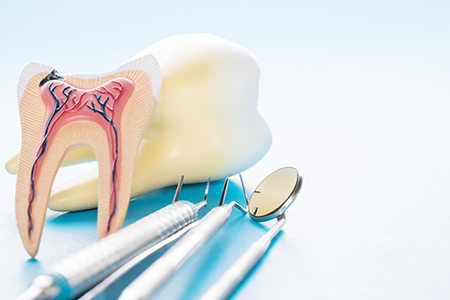
Root canal therapy is centered on one practical goal: remove diseased tissue from inside the tooth while leaving the rest intact. When the core of a tooth—the dental pulp—becomes infected or irreparably damaged, treating the interior canals can halt the spread of infection and allow the remaining tooth structure to continue functioning in the mouth.
Choosing root canal treatment over extraction preserves the natural root, which helps maintain proper bite function and keeps nearby teeth from shifting. The procedure supports jawbone health by maintaining normal forces that stimulate the bone. In many cases, a tooth treated with root canal therapy and restored with a crown can last for decades with proper care.
Advances in instruments, materials, and imaging have increased the predictability of root canal therapy. This makes it a reliable option for rescuing teeth that years ago would have been removed. Our approach emphasizes precision and comfort so that patients understand the benefits and feel confident in the treatment plan.

Inside each tooth is a soft center made up of nerves and blood vessels called the dental pulp. While the pulp is vital during tooth development, a mature tooth does not depend on it for daily function. When bacteria reach the pulp through deep decay, cracks, or trauma, inflammation and infection can develop and lead to persistent symptoms.
Common warning signs include long-lasting toothache, sharp sensitivity to hot or cold that lingers, discomfort when biting, visible darkening of a tooth, and swelling near the gumline. Sometimes a tooth shows no obvious symptoms but reveals changes on X-rays that indicate infection around the root tip. Any of these findings should prompt a timely dental evaluation.
Understanding these signals helps patients act before minor problems become more complex. Early diagnosis often means simpler, quicker treatment and a better chance of preserving the tooth. During your appointment, we’ll combine your history, a clinical exam, and imaging to determine whether root canal therapy or another approach is appropriate.

Delaying care when a tooth is infected increases the risk that the condition will worsen. An untreated infection can spread into surrounding bone, cause greater pain, and sometimes lead to swelling or systemic symptoms. Addressing the problem early reduces the likelihood of more invasive procedures later on.
Prompt root canal therapy can also protect adjacent teeth and the supporting jawbone. When an infected tooth is treated and restored efficiently, healing can begin immediately and the mouth’s overall balance is preserved. Timely intervention often simplifies restoration and shortens overall treatment time.
During your visit we’ll review the findings and explain the expected course of care, including what the tooth will need afterward to restore strength and function. Our goal is to make sure you understand the reasons for treatment and the steps involved in returning the tooth to normal use.
Root canal therapy is performed using local anesthesia to keep the tooth numb throughout the procedure. After isolating the tooth, the dentist creates a small access opening to reach the infected pulp, then carefully cleans and shapes the internal canals to remove bacteria and diseased tissue. Modern tools and techniques allow for precise cleaning while preserving as much healthy tooth structure as possible.
The cleaned canals are then filled with a biocompatible material to seal the space and prevent reinfection. Depending on the tooth’s condition and complexity, treatment may be completed in a single visit or require two appointments—particularly if active infection needs to be controlled before final filling.
To ensure comfort for anxious patients, additional options such as conscious sedation are available. After the internal work is complete, the tooth will usually receive a temporary filling and later be restored with a permanent crown or similar restoration to restore strength and chewing ability.
After treatment most patients experience relief from the original pain. It is normal to feel some tenderness for a few days as the tissues heal. Over-the-counter pain relievers usually control discomfort, and any antibiotics prescribed should be taken exactly as instructed. We’ll provide clear post-treatment guidance to support your recovery.
A tooth that has undergone root canal therapy is more brittle until it’s properly restored. For that reason, a permanent crown or other protective restoration is commonly recommended to prevent fracture and restore full chewing function. Prompt placement of a final restoration is an important step in the long-term success of the treatment.
Continued good oral hygiene and routine dental visits help the treated tooth last. With regular checkups and proper care, many root canal–treated teeth remain functional for the rest of a patient’s life. If you notice new or persistent symptoms after treatment, contact us so we can evaluate and address any concerns quickly.
At Brittney K. Craig, DMD, we emphasize clear communication and gentle care throughout the process. Our team will walk you through each step, answer your questions, and make sure the plan matches your needs and comfort level.
In summary, root canal therapy is a reliable way to eliminate pain, resolve infection, and preserve your natural tooth. If you suspect a problem or have symptoms that concern you, please contact us for more information or to arrange an evaluation. We are here to help you make informed decisions about your oral health.
Root canal therapy is a treatment that removes infected or inflamed dental pulp from inside a tooth, cleans and shapes the internal canals, and seals the space to prevent reinfection. The procedure is recommended when deep decay, a crack, or trauma allows bacteria to reach the pulp, causing persistent pain, sensitivity, or infection. By treating the interior of the tooth rather than extracting it, root canal therapy aims to preserve natural tooth structure and maintain normal bite function.
Modern endodontic techniques and materials have made the procedure predictable and conservative, improving long-term outcomes. Your dentist will evaluate symptoms, perform a clinical exam, and use imaging to determine whether root canal therapy is the most appropriate option. Early diagnosis often allows for simpler treatment and a higher chance of saving the tooth.
Common signs that a tooth may need root canal therapy include persistent toothache, prolonged sensitivity to hot or cold, pain with biting or chewing, swelling near the gumline, and darkening of the affected tooth. Some infected teeth produce a small bump on the gum or cause facial swelling, while others may show no obvious symptoms and only reveal infection on dental radiographs. Any of these findings should prompt a timely dental evaluation to determine the cause and appropriate care.
During your appointment the clinician will gather a medical and dental history, perform a clinical examination, and take diagnostic images or pulp tests as needed to confirm the diagnosis. Identifying the problem early usually simplifies treatment and increases the likelihood of preserving the tooth with root canal therapy rather than extraction.
Root canal treatment is typically performed with local anesthesia to keep the tooth numb and comfortable throughout the procedure. The dentist creates a small access opening, removes diseased pulp, cleans and shapes the internal canals with specialized instruments and irrigation solutions, and then seals the canals with a biocompatible filling material to prevent reinfection.
Depending on the tooth's condition, the treatment may be completed in a single visit or staged over two appointments if an active infection requires interim medication. Once the internal work is finished the tooth usually receives a temporary filling and later a permanent restoration, such as a crown, to restore strength and function.
Most patients experience minimal discomfort during root canal therapy because local anesthesia numbs the area and modern techniques reduce procedural pain. Many people find the procedure no more uncomfortable than receiving a dental filling, and relief from the original toothache often begins soon after treatment.
It is normal to have some tenderness or mild soreness for a few days as surrounding tissues heal, and over-the-counter pain relievers usually control this discomfort. If pain increases or does not improve within a few days, patients should contact the office so the team can assess healing and address any concerns.
Most patients return to normal activities within 24 to 48 hours and experience steadily decreasing sensitivity over several days. Mild tenderness when biting or chewing may persist until the final restoration is placed, and following post-operative instructions helps minimize discomfort and support healing.
Your dentist will schedule follow-up visits as needed to monitor healing and to place a permanent crown or restoration that protects the treated tooth. If you notice increasing pain, swelling, or other unexpected symptoms during recovery, contact the practice promptly for evaluation.
Yes. When root canal therapy is followed by an appropriate restoration, such as a crown, many treated teeth remain functional for decades. Preserving the natural root helps maintain proper bite relationships and supports the jawbone, which can prevent adjacent teeth from shifting over time.
Long-term success depends on thorough cleaning of the canals, a good coronal seal to prevent leakage, and ongoing oral hygiene and routine dental visits. At the office of Brittney K. Craig, DMD, our team emphasizes careful restoration planning to maximize the longevity of treated teeth.
While root canal therapy is generally predictable, potential complications include persistent infection, missed or complex canal anatomy that requires retreatment, fracture of a weakened tooth, and rare allergic reactions to materials. In some cases a surgical procedure called an apicoectomy is needed if an infection persists at the root tip despite prior treatment.
Advances in imaging, magnification, and instrumentation have reduced many risks, and careful case assessment helps identify teeth that may require specialist care. Discussing potential complications and expected outcomes with your dentist before treatment ensures you understand the plan and follow-up needs.
After treatment maintain excellent oral hygiene by brushing twice daily and flossing once daily to reduce the risk of new decay or reinfection. Avoid chewing on the treated tooth until the permanent restoration is placed, and follow any specific instructions your dentist gives regarding medications or temporary crown care.
Schedule the recommended follow-up and crown placement promptly to protect the tooth from fracture and to restore full chewing function. Ongoing preventive care and routine dental examinations help detect issues early and support the long-term success of the treated tooth.
Yes, reinfection is possible if the coronal restoration fails, new decay develops, a crack allows bacteria to enter, or complex canal anatomy was not fully cleaned during the original procedure. Signs of reinfection include recurring pain, swelling, or the appearance of a gum bump near the treated tooth.
If reinfection occurs, options may include retreatment of the canals, endodontic surgery, or extraction depending on the situation. Preventive measures such as a well-sealed permanent restoration, good oral hygiene, and regular dental checkups reduce the likelihood of future problems.
Our team focuses on clear communication, gentle care, and the use of modern techniques and instruments to improve predictability and patient comfort. We review diagnosis and treatment options in detail, offer anxiety management strategies, and tailor the approach to each patient's needs so they understand what to expect at every step.
When appropriate we use magnification, high-quality imaging, and biocompatible materials to achieve thorough cleaning and a durable seal, and we coordinate restorative planning to protect the tooth long term. The office of Brittney K. Craig, DMD emphasizes ongoing education and follow-up to ensure patients feel supported throughout treatment and recovery.
By Appointment Only